

Exploring the Tribes of Ethiopia’s Omo Valley
The Omo Valley in Southern Ethiopia is one of the most culturally rich and diverse regions in the world. Known for its stunning landscapes and vibrant communities, the valley is home to several indigenous tribes that have lived here for centuries, each with their own unique traditions, customs, and ways of life. Here’s a brief look at some of the tribes that call the Omo Valley home.
1. Hamar Tribe
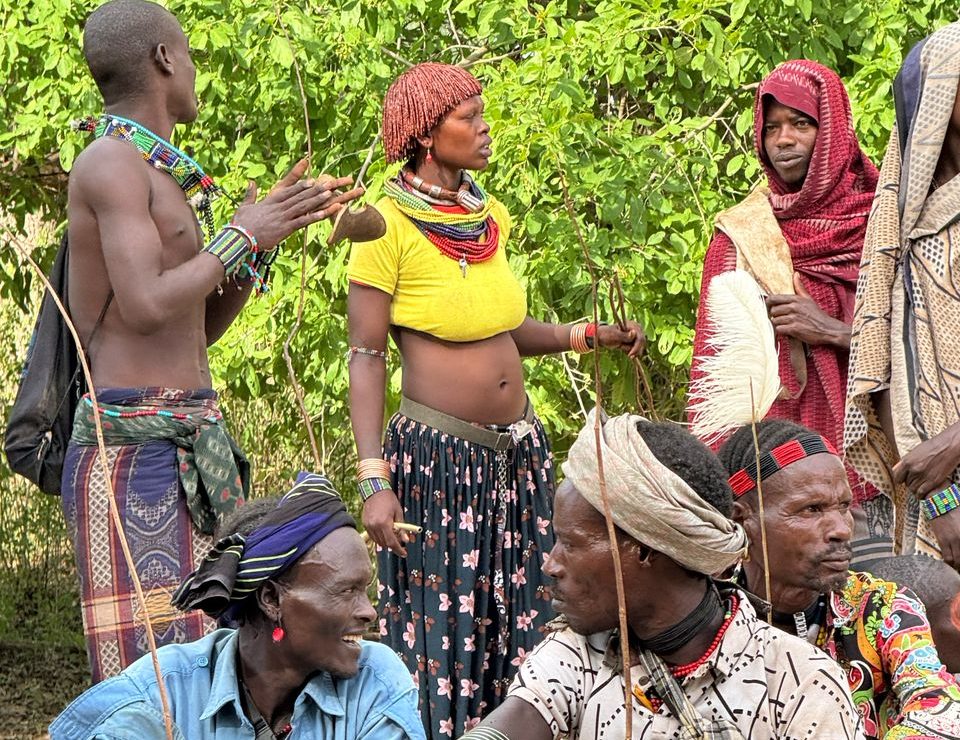
The Hamar people are known for their distinctive hairstyles and elaborate body decorations. Women wear intricate beaded necklaces and colorful skirts, while the men often carry long spears and engage in traditional dances. The Hamar are also known for the “bull-jumping” ceremony, a rite of passage where young men leap over a line of bulls to prove their strength and bravery before they are considered men.
2. Mursi Tribe
Famous for their unique practice of wearing lip plates, the Mursi tribe has become one of the most recognized indigenous groups in the Omo Valley. Women of the tribe wear large clay or wooden plates inserted into their lower lips, a tradition symbolizing beauty and status. The Mursi people are also known for their warrior culture, and their customs are deeply rooted in cattle herding and agriculture.
3. Karo Tribe
The Karo tribe is known for their colorful body painting and elaborate beadwork. They are skilled farmers and fishermen who live along the banks of the Omo River. The Karo people practice a tradition of painting their bodies with white chalk, red ochre, and black charcoal to create stunning patterns that are often used in ceremonial dances and rituals.
4. Banna Tribe
The Banna people live in the fertile region between the Omo and Turmi Rivers. They are known for their vibrant and intricate beadwork and are skilled farmers, growing crops like maize and barley. The Banna also practice a form of polygamy, and their social structure is based on the extended family system, with elders holding significant authority.
5. Dasenech Tribe
The Dasenech people live in the lower Omo River Valley, straddling the borders of Ethiopia and Kenya. They are semi-nomadic pastoralists, raising cattle, sheep, and goats. Their distinctive jewelry, including large metal earrings and necklaces, is an important part of their identity. The Dasenech are also known for their elaborate rituals and dances, especially during celebrations and rites of passage.
6. Suri Tribe
The Suri people are known for their fierce warrior traditions and distinctive body adornments. Men typically wear long robes and carry spears, while women use body paint and wear elaborate jewelry. The Suri are also known for their practice of cutting and stretching their earlobes, which is seen as a sign of beauty and status.
7. Nyangatom Tribe
The Nyangatom tribe is one of the most isolated groups in the Omo Valley. Their life revolves around cattle herding, and they are known for their face painting and body modification practices. The men often wear minimal clothing and adorn their bodies with beads and cowrie shells, while women wear intricate jewelry and are skilled in basket weaving.
Conclusion
The tribes of the Omo Valley offer a fascinating glimpse into the rich cultural diversity of Ethiopia. Each tribe has its own distinct traditions, languages, and ways of life that have been preserved for generations. Visiting the Omo Valley allows one to experience the beauty of these ancient cultures and witness their resilience in the face of modernity. If you ever find yourself in Ethiopia, a trip to the Omo Valley is a journey into the heart of human diversity.



Leave a Reply